






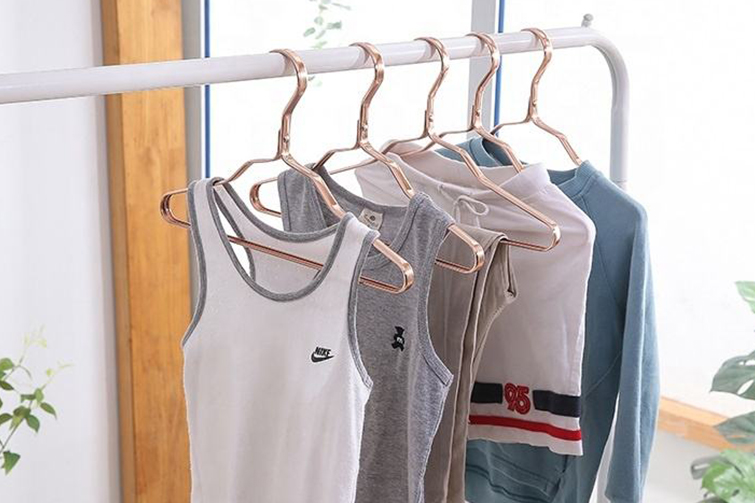
How to Choose the Perfect Laundry Drying Rack: A Complete Buying Guide
A drying rack might not be the most glamorous household item, but for millions of homes worldwide, it's an essential part of laundry day. Whether you're air-drying delicate fabrics, trying to reduce energy consumption, or simply lack space for a bulky tumble dryer, choosing the right drying rack can make all the difference in your daily routine.
With so many options on the market—from wall-mounted space-savers to heavy-duty freestanding models—how do you know which one is right for you? This comprehensive guide will walk you through everything you need to consider before making your purchase.
Why Use a Drying Rack?
Before diving into selection criteria, let's understand why drying racks deserve a place in your home:
- Energy savings: Air-drying clothes significantly reduces electricity bills compared to tumble dryers
- Gentle on fabrics: Delicate materials like wool, silk, and swimwear last longer when dried naturally
- No shrinkage or heat damage: Air drying prevents the fabric damage caused by high heat in dryers
- Environmentally friendly: Reducing dryer usage lowers your carbon footprint
- Versatility: Modern racks can handle everything from heavy towels to delicate lingerie
Key Factors to Consider When Choosing a Drying Rack
1. Available Space and Installation Type
The most important consideration is where you plan to use and store your drying rack. Measure your space carefully before purchasing.
| Type | Best For | Pros | Cons |
|---|---|---|---|
| Wall-Mounted | Small homes, apartments, bathrooms | Saves floor space, folds away neatly, durable when installed | Requires permanent installation, limited capacity |
| Freestanding/Floor Type | Renters, flexible placement, outdoor use | Portable, no installation, foldable for storage | Takes up floor space, may tip if overloaded |
| Ceiling Pulley Racks | High ceilings, kitchens, hallways | Raises out of walking space, great for bulky items | Installation required, not renter-friendly |
| Over-the-Door Racks | Bedrooms, bathroom doors | Uses unused space, no installation | Limited weight capacity, door clearance needed |
2. Material and Durability
The material of your drying rack determines its longevity, weight capacity, and resistance to rust and moisture.
Aluminum Alloy
- Lightweight yet strong
- Rust-proof and corrosion-resistant
- Ideal for humid environments like bathrooms
- Long lifespan with proper care
Stainless Steel
- Extremely durable and sturdy
- Excellent rust resistance
- Heavier than aluminum
- Supports heavier loads
Metal with Plastic Coating
- Rust-resistant coating
- Affordable option
- Coating may chip over time
- Less durable than solid metal
Wood
- Aesthetic appeal
- Suitable for indoor use only
- Susceptible to moisture damage
- Requires careful maintenance
Plastic
- Lightweight and inexpensive
- Prone to cracking and warping
- Lower weight capacity
- Best for lightweight items only
3. Size and Capacity
Consider how much laundry you typically dry at once:
- Small racks (under 100cm) : Ideal for singles, couples, or small apartments
- Medium racks (100-150cm) : Suitable for small families
- Large racks (over 150cm) : Perfect for larger families or heavy laundry days
- Multiple-tier racks: Maximize vertical space for more drying area
Also check:
- Number of bars or clips: More bars/clips mean more items can be hung
- Weight capacity: Ensure it can handle wet clothes (which are heavier than dry ones)
- Foldable design: Essential for easy storage when not in use
4. Functional Design Features
Modern drying racks come with various features to enhance usability:
- Foldable/Wings Design: Easy to store and expand as needed
- Adjustable Height: Accommodates different garment lengths
- Removable Bars: Flexible configuration options
- Built-in Clips: Great for socks, underwear, and delicate items
- Wheels/Casters: For easy mobility (ensure they lock)
- Heated Drying Racks: Electric models for faster drying (check energy efficiency)
5. Intended Use and Items to Dry
Different drying racks suit different laundry needs:
| Use Case | Recommended Features |
|---|---|
| Delicates (lingerie, wool) | Gentle surface, clips for hanging |
| Heavy items (towels, jeans) | Sturdy construction, high weight capacity |
| Socks and small items | Multiple clips, compact design |
| Sheets and large items | Extended wings, wide bars |
| Travel | Ultra-compact, lightweight, portable |
| Outdoor drying | Weather-resistant materials, wind stability |
6. Installation Requirements
For non-freestanding racks, consider:
- Wall strength: Can it support the weight?
- Tools needed: Do you have the required tools?
- Professional installation: May be needed for complex ceiling racks
- Removability: Can you take it with you if you move?
7. Special Features to Look For
Rust Resistance: Essential for humid areas or outdoor use. Aluminum alloy naturally resists rust without requiring additional coatings.
Welding vs. Rivet Technology: Racks with rivet connections (rather than welding) often provide better flexibility and durability at connection points.
Surface Treatment: Glossy or lacquered finishes are easier to clean and more resistant to scratches.
Tolerance Specifications: Quality racks maintain dimensional accuracy even after repeated use—look for tight tolerances (<±1cm or <±1mm).
OEM/ODM Availability: If you're purchasing for business purposes, check if customization is available.
Step-by-Step Selection Guide
Step 1: Measure Your Space
- Width, depth, and height available
- Door clearance (for over-door models)
- Wall space (for mounted options)
- Storage space when folded
Step 2: Determine Your Typical Laundry Load
- How many people in your household?
- Do you wash bulky items regularly?
- Do you need to dry delicates separately?
Step 3: Choose Your Material
- Aluminum alloy for rust-free, lightweight durability
- Stainless steel for maximum strength
- Plastic only for very light, temporary use
Step 4: Select Installation Type
- Freestanding for flexibility
- Wall-mounted for space saving
- Consider both indoor and outdoor needs
Step 5: Check Additional Features
- Foldability for storage
- Adjustable wings for different items
- Clips for small items
- Wheels for mobility
Step 6: Verify Quality Indicators
- Dimensional and weight tolerances
- Rust-proof claims
- Warranty period
- Brand reputation
Common Mistakes to Avoid
Buying without measuring – A rack that doesn't fit your space is useless.
Ignoring weight capacity – Wet clothes are heavy; overloading causes damage.
Choosing style over function – Looks matter less than practicality.
Forgetting about storage – Ensure the rack folds or stores easily.
Poor material choice for environment – Use rust-proof materials in bathrooms.
Overlooking installation needs – Some racks require tools and skills.
Top Questions to Ask Before Buying
- What is the maximum weight capacity?
- Can it be used both indoors and outdoors?
- Does it fold flat for storage?
- What materials are used, and are they rust-proof?
- Is assembly required? Are tools included?
- What is the warranty period?
- Are replacement parts available?
- Does it accommodate different garment lengths?
Conclusion: Finding Your Perfect Drying Rack
The perfect drying rack balances your available space, laundry volume, and budget while offering durability and convenience. For most households, a high-quality aluminum alloy freestanding rack with foldable wings offers the best combination of versatility, durability, and value.
If you're short on space, wall-mounted or ceiling pulley systems maximize your area. For those drying primarily delicates, look for racks with ample clips and gentle surfaces.
Remember that investing in a quality drying rack pays off through years of reliable service and protected garments. Companies like Foshan Kingdreams (Kangcai brand) with 20 years of manufacturing experience offer products featuring rust-proof construction, rivet technology (no welding), and fade-resistant finishes—ensuring your laundry routine remains efficient and your clothes stay beautiful.